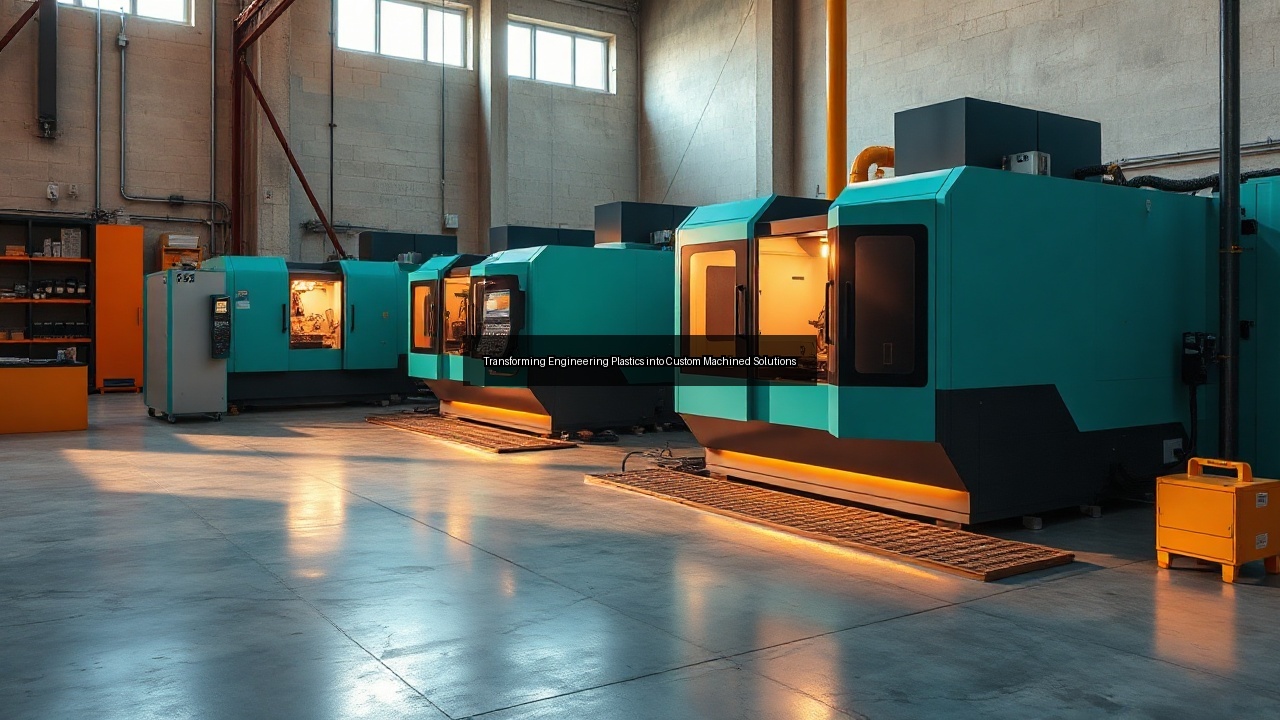
Transforming Engineering Plastics into Custom Machined Solutions
Understanding Engineering Plastics and Their Applications
What are Engineering Plastics?
Engineering plastics represent a class of synthetic materials specifically designed to withstand higher temperatures and mechanical stress than standard plastics. Unlike commodity plastics, engineering plastics offer superior performance and durability, making them ideal for demanding applications. Common types include Ultem, PEEK, acetal, and PTFE (Teflon), each possessing unique properties that cater to various industrial needs. These materials play a crucial role in sectors such as automotive, aerospace, and electronics, where reliability and performance are paramount. By using engineering plastics, manufacturers can create parts that not only endure harsh environments but also enhance product longevity and performance.
Key Properties of Engineering Plastics
Several key properties distinguish engineering plastics from other materials. Firstly, high mechanical strength allows engineered plastics to bear substantial loads without deformation. Secondly, exceptional thermal stability enables these materials to function effectively in elevated temperatures, often exceeding 100°C. Additionally, engineering plastics exhibit excellent chemical resistance, making them suitable for applications involving corrosive substances. Their electrical insulating properties further enhance versatility, allowing for use in electronic components. Finally, lightweight characteristics ensure that engineers can design components that reduce overall weight without sacrificing strength. These properties make engineering plastics indispensable in modern manufacturing processes.
Common Applications of Engineering Plastics in Manufacturing
Engineering plastics find application across a broad spectrum of industries due to their versatile properties. In the automotive sector, components such as gears, bearings, and housings benefit from the strength and durability of materials like PEEK and acetal. Aerospace manufacturers utilize engineering plastics for lightweight components that improve fuel efficiency and overall performance. In electronics, parts made from Ultem provide excellent electrical insulation, making them ideal for connectors and circuit boards. Additionally, medical device manufacturers leverage the biocompatibility of certain engineering plastics to produce surgical instruments and implants. Overall, the applications of engineering plastics in manufacturing illustrate their importance in driving innovation and efficiency across various industries.
The Role of CNC Machining in Plastic Fabrication
Overview of CNC Machining Processes
CNC (Computer Numerical Control) machining encompasses a range of automated processes used to fabricate components from various materials, including engineering plastics. This technology relies on computerized controls to drive machine tools, enabling precise cuts and shapes to be produced consistently. Common CNC processes include routing, milling, and turning. Each method utilizes a different approach to shaping materials, allowing for flexibility in design and production. CNC machining provides manufacturers with the ability to create intricate parts with tight tolerances, ensuring that even the most complex designs can be realized efficiently. The rise of CNC technology has revolutionized plastic fabrication, enhancing precision and reducing lead times in production.
Advantages of CNC Machining for Plastics
CNC machining offers numerous advantages for the fabrication of engineering plastics. The precision of CNC machines ensures that each component meets exact specifications, which is critical in high-performance applications. Moreover, the speed of CNC machining significantly reduces production times compared to traditional methods, allowing manufacturers to respond quickly to market demands. CNC machining also minimizes waste material, as the programming can optimize cutting paths and reduce scrap. Additionally, CNC machining accommodates a variety of engineering plastics, enabling manufacturers to experiment with innovative materials without compromising quality. These benefits position CNC machining as the preferred choice for producing custom plastic parts built to specification.
CNC Machining vs. Traditional Methods
When comparing CNC machining to traditional machining methods, several distinct differences emerge. Traditional machining often relies on manual processes, which can introduce variability due to human error. In contrast, CNC machining utilizes computer controls that guarantee consistent results and high repeatability. This difference is particularly important in industries requiring precision components made from advanced polymers, where tolerances can be critical. Additionally, CNC machining allows for complex geometries to be created more easily than with traditional methods. While traditional machining may still have its place for certain applications, the efficiency and precision of CNC machining make it the superior choice for fabricating engineered plastic parts.
Innovative Solutions in CNC Plastic Machining
Custom Machined Solutions for High-Performance Plastics
Manufacturers increasingly seek custom machined solutions that leverage the unique properties of high-performance plastics. CNC plastic machining allows for the creation of specialized components tailored to specific operational requirements. With the ability to machine complex geometries, manufacturers can produce parts that enhance performance in applications ranging from industrial machinery to consumer electronics. Custom solutions also cater to niche markets where standard parts may not suffice. By employing CNC technology, manufacturers can innovate and adapt quickly, ensuring that they remain competitive in a rapidly evolving landscape. This flexibility in production enables the delivery of high-performance plastic components that meet exacting standards and specifications.
Turning PEEK, Acetal, and PTFE into Precision Components
Turning engineering plastics like PEEK, acetal, and PTFE into precision components showcases the capabilities of CNC machining. PEEK, known for its exceptional strength and thermal stability, is often used in applications requiring high-performance materials. Acetal, with its excellent machinability and low friction properties, is ideal for producing gears and bearings. PTFE, widely recognized for its chemical resistance and low friction, is frequently used in seals and gaskets. CNC machining allows for the precise fabrication of these materials, ensuring that the end products meet stringent tolerances and performance requirements. This adaptability makes CNC machining a vital process in the production of custom components from challenging machinable plastics.
Case Studies: Successful Machined Plastic Projects
Numerous successful projects highlight the potential of CNC plastic machining in transforming engineering plastics into functional components. For instance, a manufacturer of medical devices utilized CNC machining to produce custom surgical tools from Ultem, achieving both biocompatibility and durability. In the automotive industry, engineers turned to CNC machined acetal components to replace metal parts, resulting in weight reduction and improved fuel efficiency. Another example involves a consumer electronics company that required precision machined PTFE parts for their high-performance devices. These case studies illustrate how CNC plastic machining can solve complex challenges and deliver tailored solutions for diverse industries, reinforcing its importance in today’s manufacturing landscape.
Choosing the Right CNC Plastic Machining Manufacturer
What to Look for in a Machining Partner
Selecting an experienced CNC plastic machining specialists in high-performance plastic components manufacturer is crucial for achieving high-quality results. Look for a partner with a proven track record in fabricating complex nonmetallic parts. Assess their expertise in working with various engineering plastics to ensure they can deliver the specific materials required for your projects. Additionally, consider a manufacturer’s certifications and quality assurance processes, as these factors can significantly impact the durability and performance of machined components. An established manufacturer will also offer design support, helping refine specifications and optimize the machining process. This collaborative approach ensures that machining complex nonmetallic parts the final products meet all functional and aesthetic requirements.
The Importance of Experience in Complex Nonmetallic Parts
Experience plays a vital role in the successful machining of complex nonmetallic parts. Engineering plastics often pose unique challenges due to their varying properties and behaviors during machining. An experienced machining partner understands these intricacies and can implement the right strategies to mitigate issues such as warping and tool wear. Their knowledge of different machining centers and equipment, as well as their familiarity with the specific engineering plastics being used, ensures that they can produce components with the required precision. Furthermore, experienced machinists can provide insights into material selection and machining techniques that optimize performance and reliability in the final product.
Evaluating Machining Centers and Equipment for Precision
The quality of machining centers and equipment directly influences the precision of CNC plastic machining. When evaluating potential manufacturers, consider their investment in modern technology and machinery designed specifically for machining plastics. Advanced CNC mills and routers equipped with specialized tooling for plastic materials enable manufacturers to achieve tight tolerances and intricate designs. Moreover, the ability to incorporate advanced software solutions for simulation and optimization enhances the overall efficiency of the machining process. By prioritizing manufacturers with state-of-the-art equipment, businesses can ensure their custom plastic parts are built to specification, meeting the highest standards of quality and performance.